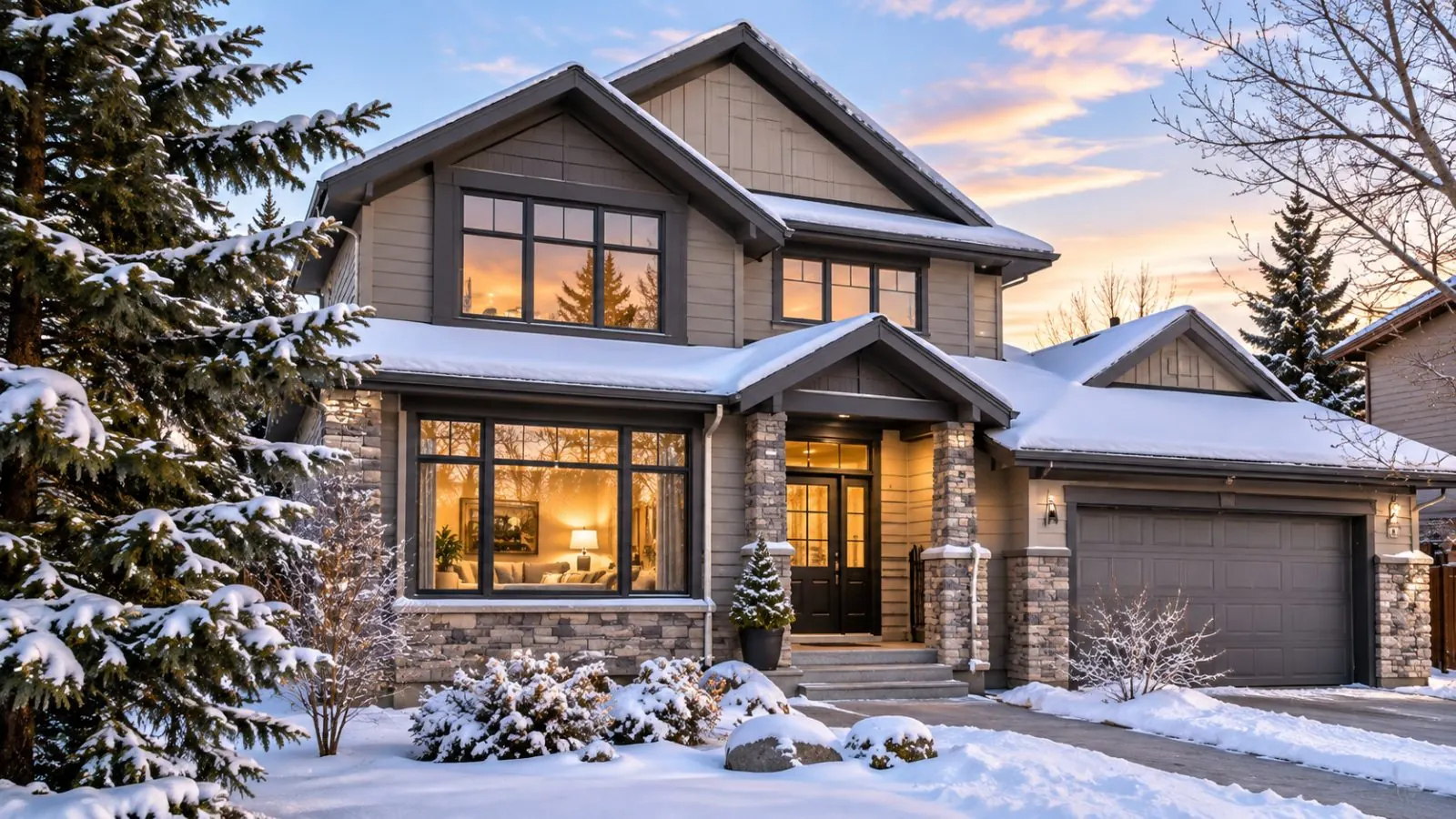
Convenient Ventilation and Thoughtful Window Design
Casement and Awning Window Replacement in Spruce Grove, Alberta
Find an opening style that suits your rooms. Get a Free Estimate
Casement and awning windows open outward using different hinge arrangements. A casement window is hinged at the side, while an awning window is hinged along its upper edge. Both styles can offer practical advantages in residential rooms where controlled ventilation and convenient operation are important.
Replacing an existing window with either design requires attention to exterior clearance, available dimensions and the way the room is furnished. These windows can also be combined with fixed glass to create arrangements that provide daylight and ventilation.
We can connect you with an independent contractor to discuss whether casement or awning replacement windows are suitable for your home.
Before you compare quotes, read Natural Resources Canada's guide to ENERGY STAR windows, doors and skylights. It explains the label and performance ratings to look for on a new window.
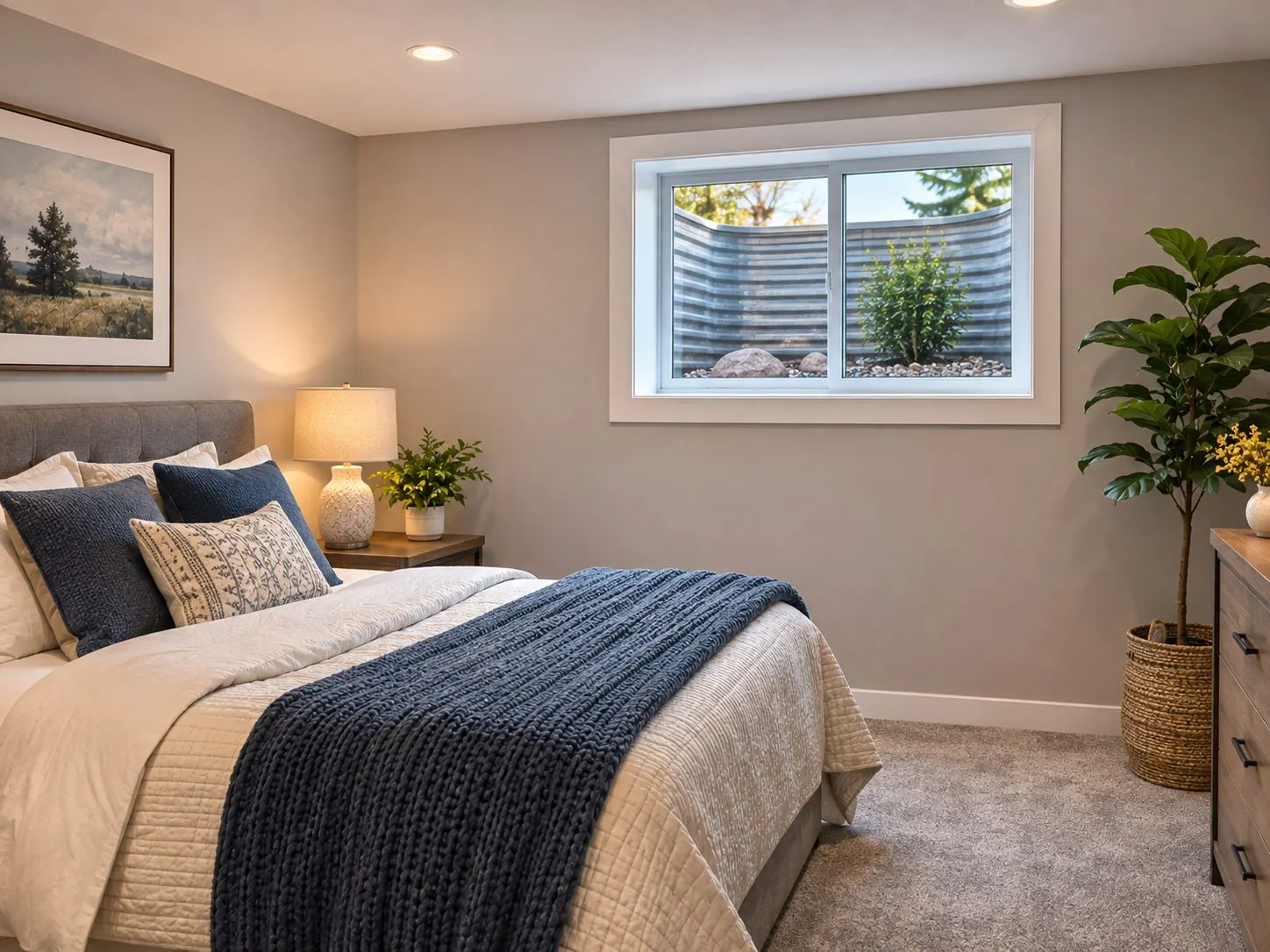
These two opening styles have different advantages depending on where they are installed. Understanding their operation helps you avoid selecting a window that is inconvenient in daily use.
Casement windows swing outward from hinges positioned along one vertical edge. Many residential designs use a crank mechanism that allows the operating panel to move without requiring you to push directly against the glass. The opening direction affects how the window interacts with outdoor airflow, adjacent walls and nearby fixtures. Consider whether the hinge should be positioned on the left or right for each opening.
Awning windows open outward from their lower edge while remaining hinged across the top. This configuration can be useful in wider, shorter openings and locations where controlled ventilation is more important than a large swinging panel. The projecting glass can provide some protection from light precipitation, depending on the wind and product design. Awning windows should still be closed during conditions that could allow water to enter or damage the operating assembly.
Many casement and awning products use seals that compress as the operating sash closes against the frame. Suitable designs can provide effective resistance to air leakage when properly adjusted and maintained. Hardware alignment and the condition of the seals remain important throughout the window's life. A difficult crank or poorly engaged lock may require adjustment or component servicing rather than immediate replacement of the entire unit.
An outward-opening window needs enough space beyond the wall to operate safely. Nearby fences, railings, decks, exterior lighting and landscaping can interfere with movement. Consider pedestrian areas as well as fixed objects. A large casement projecting over a frequently used walkway may be less suitable than a different operating arrangement. The contractor should evaluate these conditions when discussing the replacement.
Casement and awning windows commonly have insect screens positioned on the interior side of the opening. The screen arrangement should allow reasonable access for routine maintenance and cleaning. Ask how the exterior glass can be reached, particularly on upper floors. Hinge design and opening configuration vary between products, and convenient cleaning should not be assumed from the window style alone.
A large window opening may accommodate fixed glass alongside one or more casement or awning sections. This arrangement can preserve daylight while providing ventilation where it is most useful. Consider furniture placement and reach when determining the location of the operating sections. Bedroom installations must also account for any required emergency escape opening, which depends on the usable dimensions and specific hardware configuration.
Discuss how the proposed window will function in the kitchen, bedroom or living area.
The contractor can explain available hinge, crank and locking arrangements.
Identify nearby exterior features that could interfere with outward-opening windows.
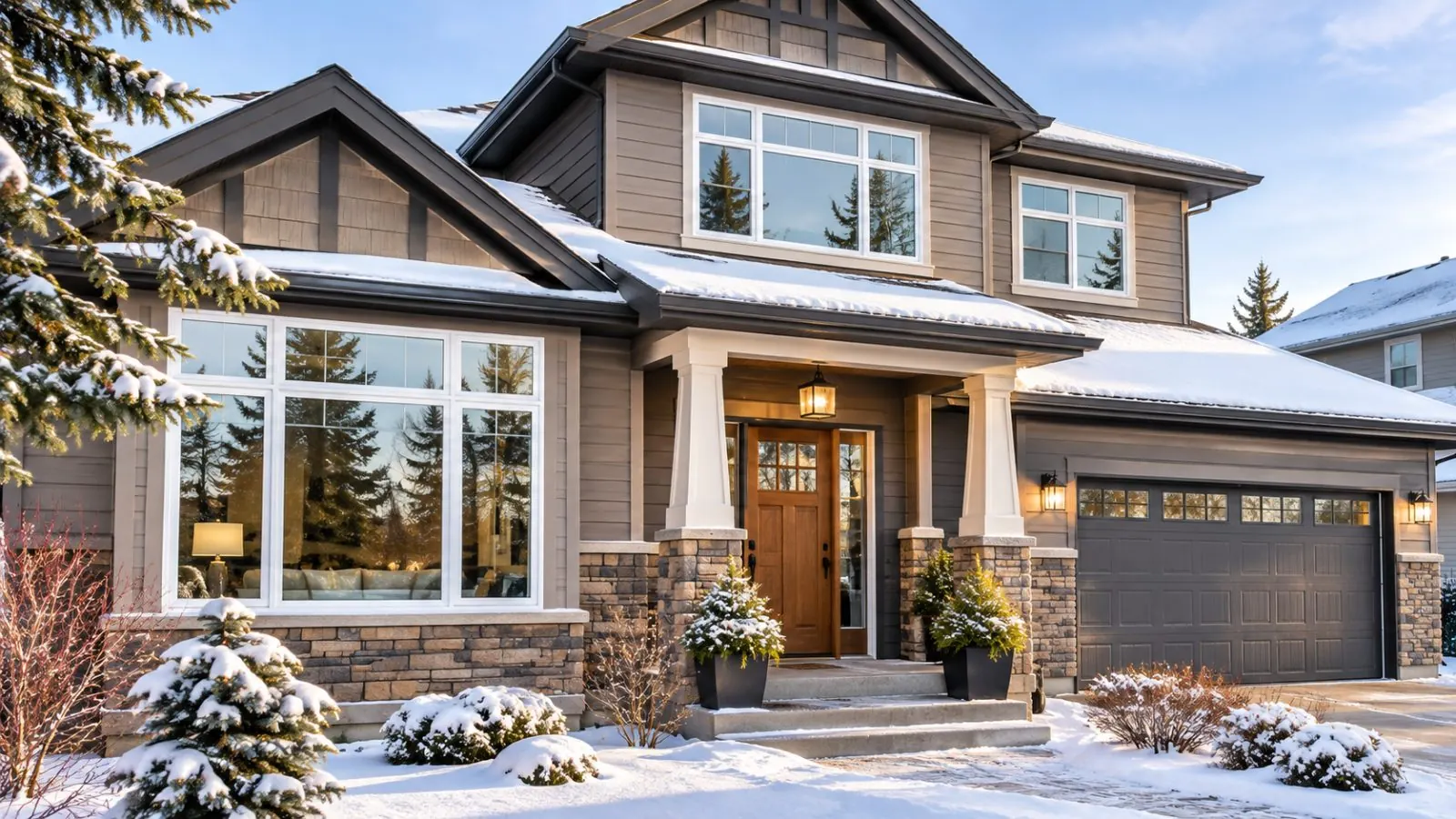
Find a replacement window configuration that makes fresh air easier to enjoy.
Free — no obligations
Explain which rooms need ventilation and where the existing windows are difficult to use.
The contractor considers exterior obstacles, opening direction and surrounding construction.
Review suitable casement, awning and fixed-section arrangements.
Establish the glazing, hardware, dimensions and fitting requirements.
After installation, check that the windows open, close and secure as intended.
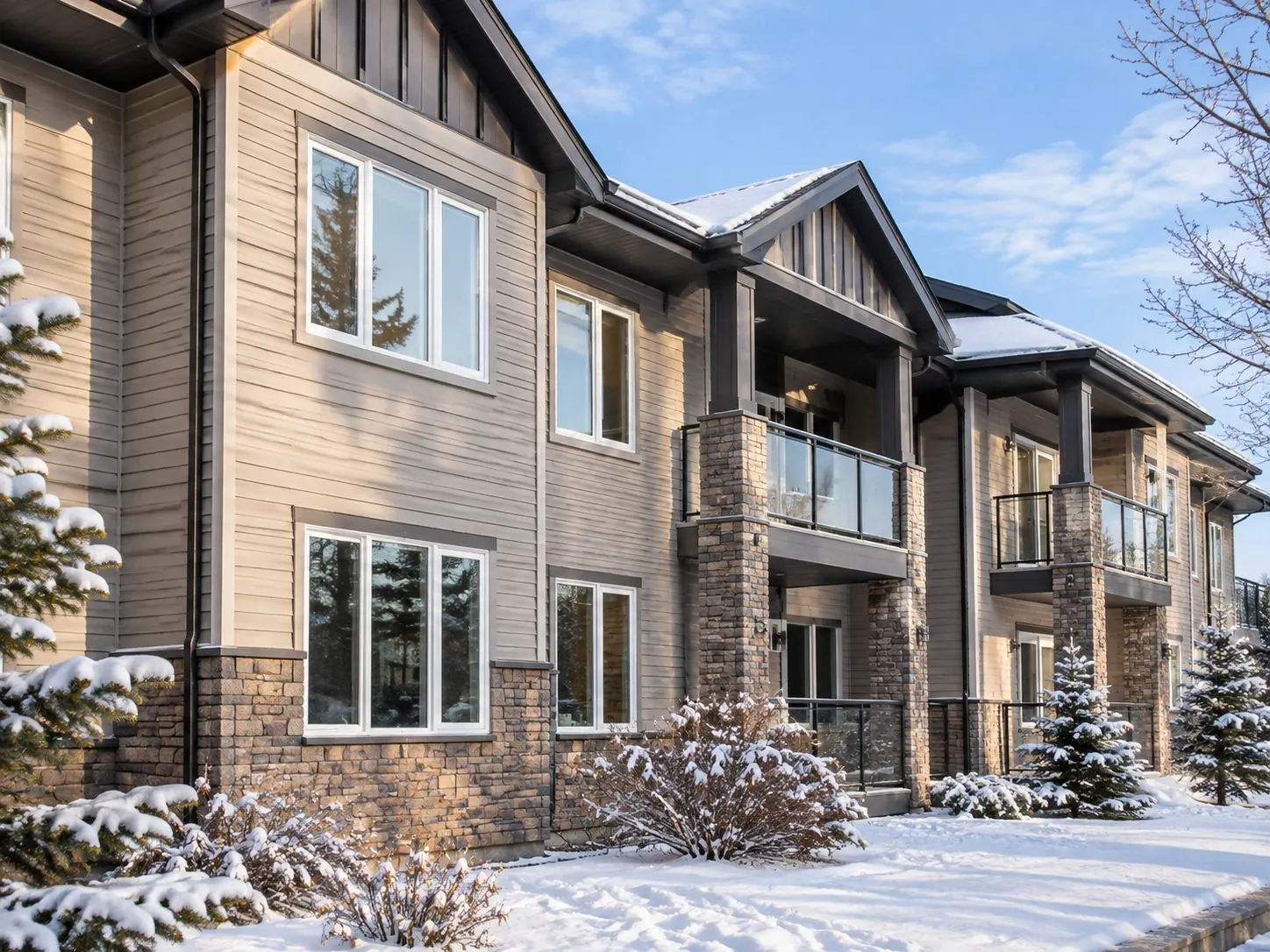
Casement windows swing outward from a side hinge. Awning windows open from the bottom while remaining hinged along the top, producing a different opening shape and ventilation arrangement.
They can be convenient when the window is difficult to reach directly. The handle position and amount of effort required should still suit the people using the kitchen.
Some awning designs provide limited shelter during light rain. Wind-driven precipitation can still enter, so close the window when conditions make continued ventilation unsuitable.
A different hinge position may be available when ordering a replacement unit. Consider exterior clearance, indoor access and any required escape function before confirming the direction.